
Luna Information Page
Mission Data
Observational data produced from a Mission or Investigation
Primary

Apollo 12
11/14/1969—11/24/1969
The Apollo 12 was the second mission that allowed humans to walk on the Moon. It consisted of the Command and Service Module (CSM) and the Lunar Module (LM). The CSM took images of the surface and communicated with Earth. The LM carried the Astronauts and Apollo Lunar Surface Experiments Package (ALSEP) to the surface.
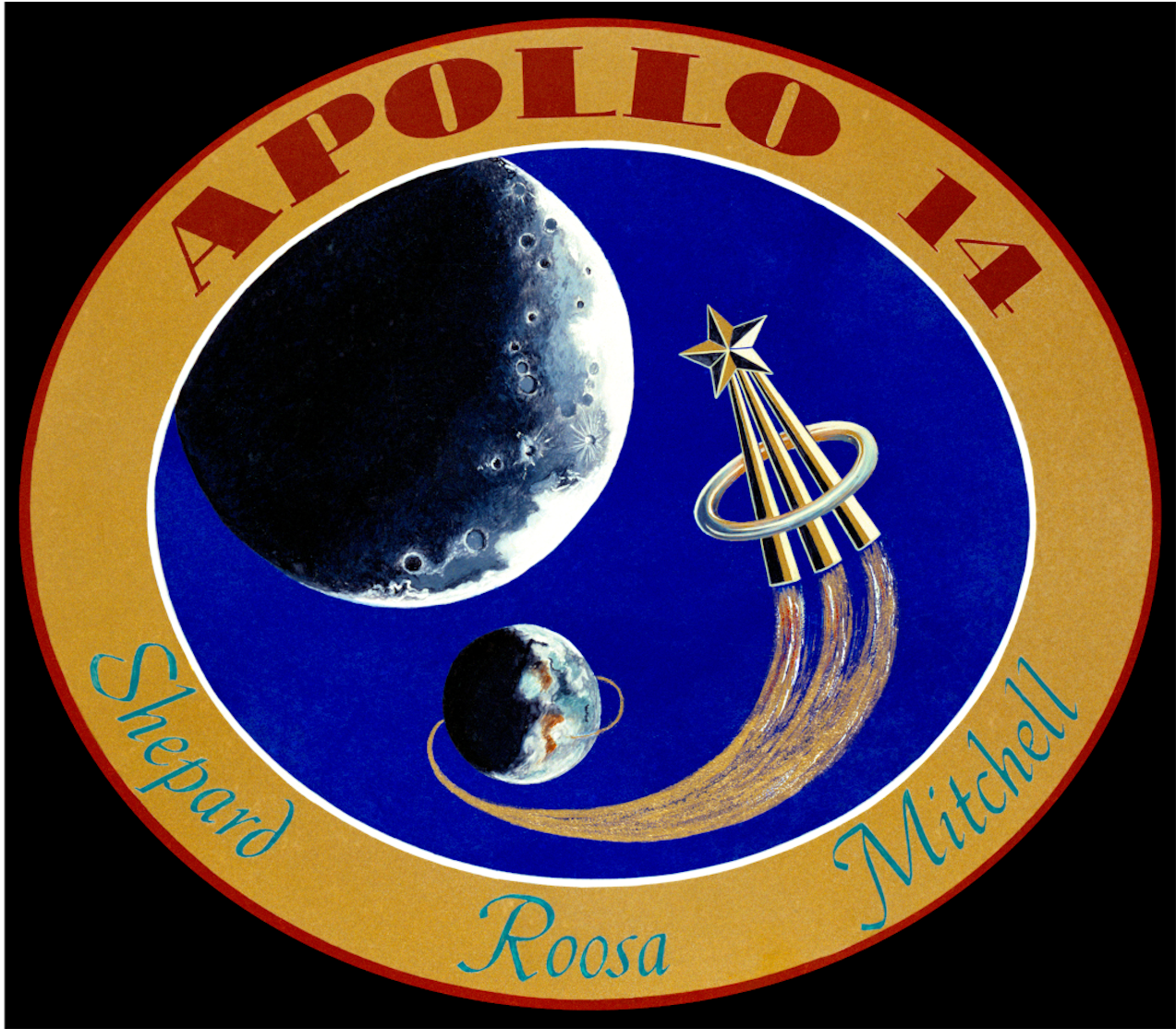
Apollo 14
1/31/1971—2/9/1971
The Apollo 14 was the third mission that allowed humans to walk on the Moon. It consisted of the Command and Service Module (CSM) and the Lunar Module (LM). The CSM took images of the surface and communicated with Earth. The LM carried the Astronauts and Apollo Lunar Surface Experiments Package (ALSEP) to the surface.
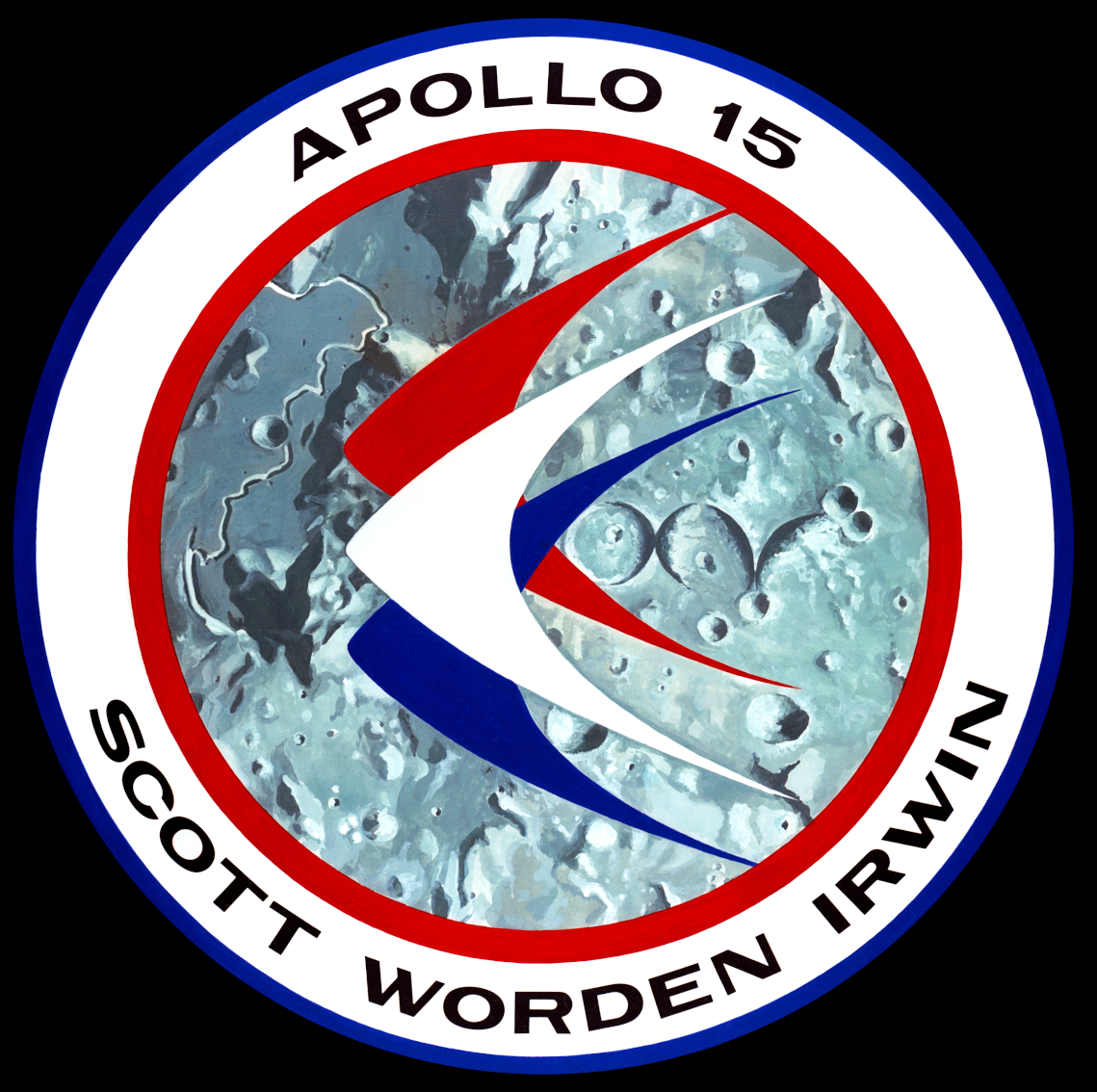
Apollo 15
7/26/1971—8/7/1971
The Apollo 15 was the fourth mission that allowed humans to walk on the Moon. It consisted of the Command and Service Module (CSM) and the Lunar Module (LM). The CSM took images of the surface and communicated with Earth. The LM carried the Astronauts and Apollo Lunar Surface Experiments Package (ALSEP) to the surface.

Apollo 16
4/16/1972—4/27/1972
The Apollo 16 was the fifth mission that allowed humans to walk on the Moon. It consisted of the Command and Service Module (CSM) and the Lunar Module (LM). The CSM took images of the surface and communicated with Earth. The LM carried the Astronauts and Apollo Lunar Surface Experiments Package (ALSEP) to the surface.
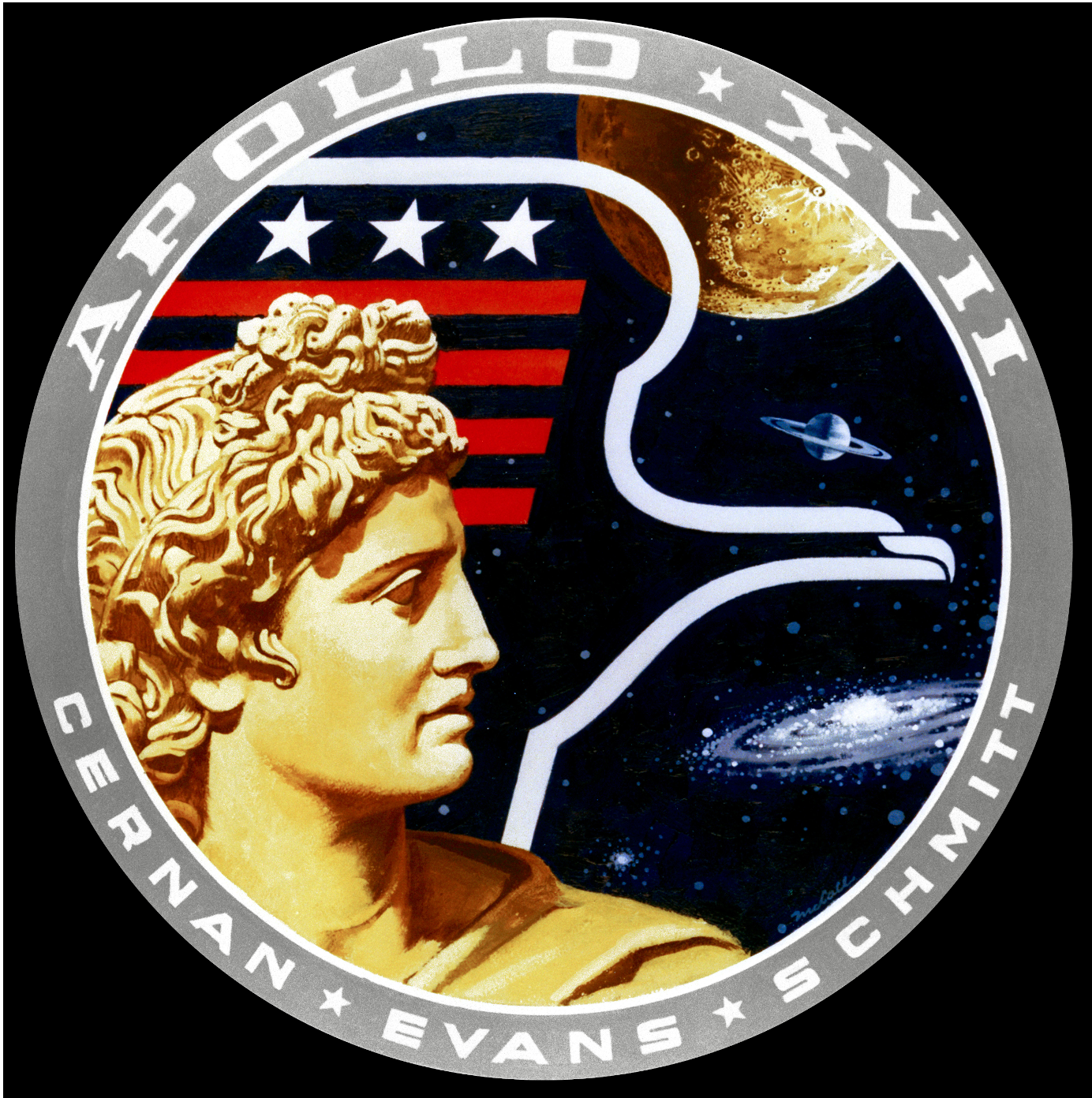
Apollo 17
12/7/1972—12/19/1972
The Apollo 17 was the sixth mission that allowed humans to walk on the Moon. It consisted of the Command and Service Module (CSM) and the Lunar Module (LM). The CSM took images of the surface and communicated with Earth. The LM carried the Astronauts and Apollo Lunar Surface Experiments Package (ALSEP) to the surface.
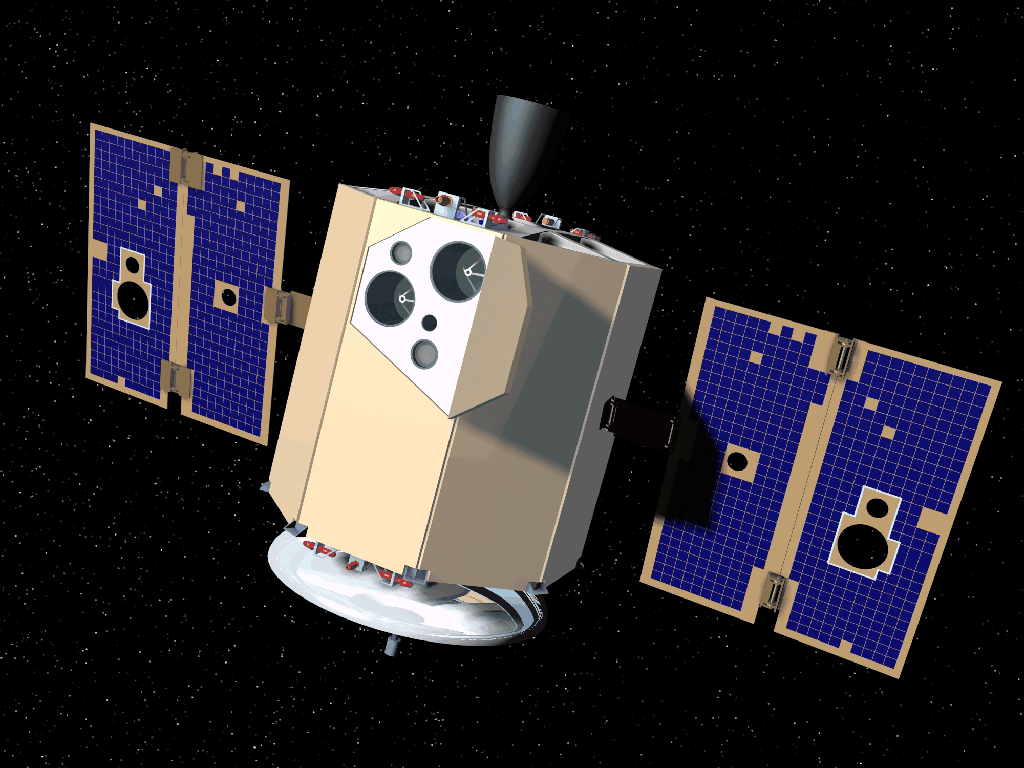
Deep Space Program Science Experiment
1/25/1994—5/7/1994
The Deep Space Program Science Experiment (DSPSE), first in a planned series of technology demonstrations jointly sponsored by the Ballistic Missile Defense Organization (BMDO) of the DoD and the National Aeronautics and Space Administration (NASA), was launched on 1994. The spacecraft itself was affectionately known as Clementine since, as in the song of the same name, it would be 'lost and gone forever' after completing its short mission.

LUNAR PROSPECTOR
1/7/1998
The Lunar Prospector (LP) Mission consisted of a spin-stabilized orbiter spacecraft designed to perform continuous mapping of the Moon from a circular polar orbit. The LP spacecraft was launched on January 7, 1998 (UTC). The primary mapping mission began on January 16, 1998 and lasted for one year. During most of the mapping mission, the spacecraft mapped the surface from a 118-minute, circular, polar orbit 100 km above the moon's surface. Starting on December 19, 1998, the spacecraft was maneuvered into a 40 km orbit as a transition into a low altitude extended mission orbit. The transition orbit was used to collect gravity data in order to verify the moon's gravity model in preparation for conducting the extended mission orbit. The exte... ...Show More
Chandrayaan-1
10/22/2008—8/28/2009
The Chandrayaan-1 was an orbiter and impactor mission to the Moon. It was the first for the Indian Space Research Organisation. It was launched on October 22, 2008. It helped confirmed the presence of water on the Moon.
Lunar Crater Observation and Sensing Satellite
6/18/2009—11/9/2009
LCROSS launched as a secondary payload with Lunar Reconnaissance Orbiter (LRO) on June 18, 2009. After trans-lunar injection, LRO separated and performed its mission. The LCROSS Shepherding Spacecraft (SSC) remained attached to the spent Atlas upper stage, called the Centaur. Over 112 days, the Shepherding Spacecraft adjusted the Centaur's course to bring it to an impact within the Cabeus Crater near the South Pole of the moon. It impacted on October 9, 2009. LCROSS used the Centaur as a 2300 kg kinetic impactor with more than 200 times the energy of the Lunar Prospector (LP) impact to excavate more than 250 metric tons of lunar regolith. The resulting ejecta cloud was observed from a number of Lunar-orbital and Earth-based assets, and th... ...Show More
Lunar Reconnaissance Orbiter (LRO)
6/18/2009
Lunar Reconnaissance Orbiter was launched on June 18, 2009 on an Evolved Expendable Launch Vehicle (EELV). The EELV inserted the orbiter into a direct trajectory to the Moon. The orbiter used the on-board propulsion system to enter into lunar orbit. After orbiter commissioning, the orbiter entered the nominal mission orbit of 50 km. Once LRO was in the final mission orbit, the six instruments began to collect measurement data for the mission. Data collected by LRO has been described as essential for planning NASA's future human and robotic missions to the Moon. The orbiter carried a secondary payload, the Lunar Crater Observation and Sensing Satellite (LCROSS), which operated as a separate mission to observe the impact of a spent Centaur... ...Show More

Gravity Recovery And Interior Laboratory (GRAIL)
9/10/2011—12/17/2012
Gravity Recovery and Interior Laboratory (GRAIL) consist of two small spacecrafts (GRAIL A [Ebb] and B [Flow]). It was launched on September 10, 2011. It used high-quality gravitational field mapping of the Moon to determine its interior structure. On August 31, 2012, the two spacecrafts started collecting data at a lower altitude.
LADEE
9/6/2013
The Lunar Atmosphere and Dust Environment Explorer (LADEE) was a robotic mission that, from low lunar orbit, gathered detailed information about the lunar atmosphere, conditions near the surface and environmental influences on lunar dust. LADEE was launched in September 2013 and carried out lunar orbital operations for 223 days, concluding when the spacecraft was decommissioned by impact into the moon in April 2014.
Kaguya (SELENE)
9/14/2017—6/11/2009
SELENE (Selenological and Engineering Explorer) was Japan's second lunar probe. It was renamed Kaguya, or Moon Princess, after launch as a result of a public poll. The mission's goal was to orbit the Moon to collect data on the origins and geological evolution of the Moon, to study the lunar surface environment, and to carry out radio science experiments. In addition to the main orbiter, Kaguya, the mission included two small spin-stabilized sub-satellites. These were the Relay Satellite (Rstar) and the VRAD satellite (Vstar). Upon launch, they were renamed Okina and Ouna, which mean "honorable elderly man" and "honorable elderly woman," respectively.
Secondary
